October 16, 2026
Keeping a truck dependable requires attention to the systems that keep it moving, stopping, and carrying its load safely. Engine, transmission, and brake problems can affect performance in different ways, yet each system plays a critical role in reliable operation.
According to the American Trucking Association, trucks transported approximately 72.7% of the nation’s freight by weight in 2024. With so much freight depending on trucks, maintaining these vehicles is important for businesses and communities alike. Knowing which problems deserve prompt attention can reduce disruptions and help support safer, more dependable travel.
Understanding Engine Problems
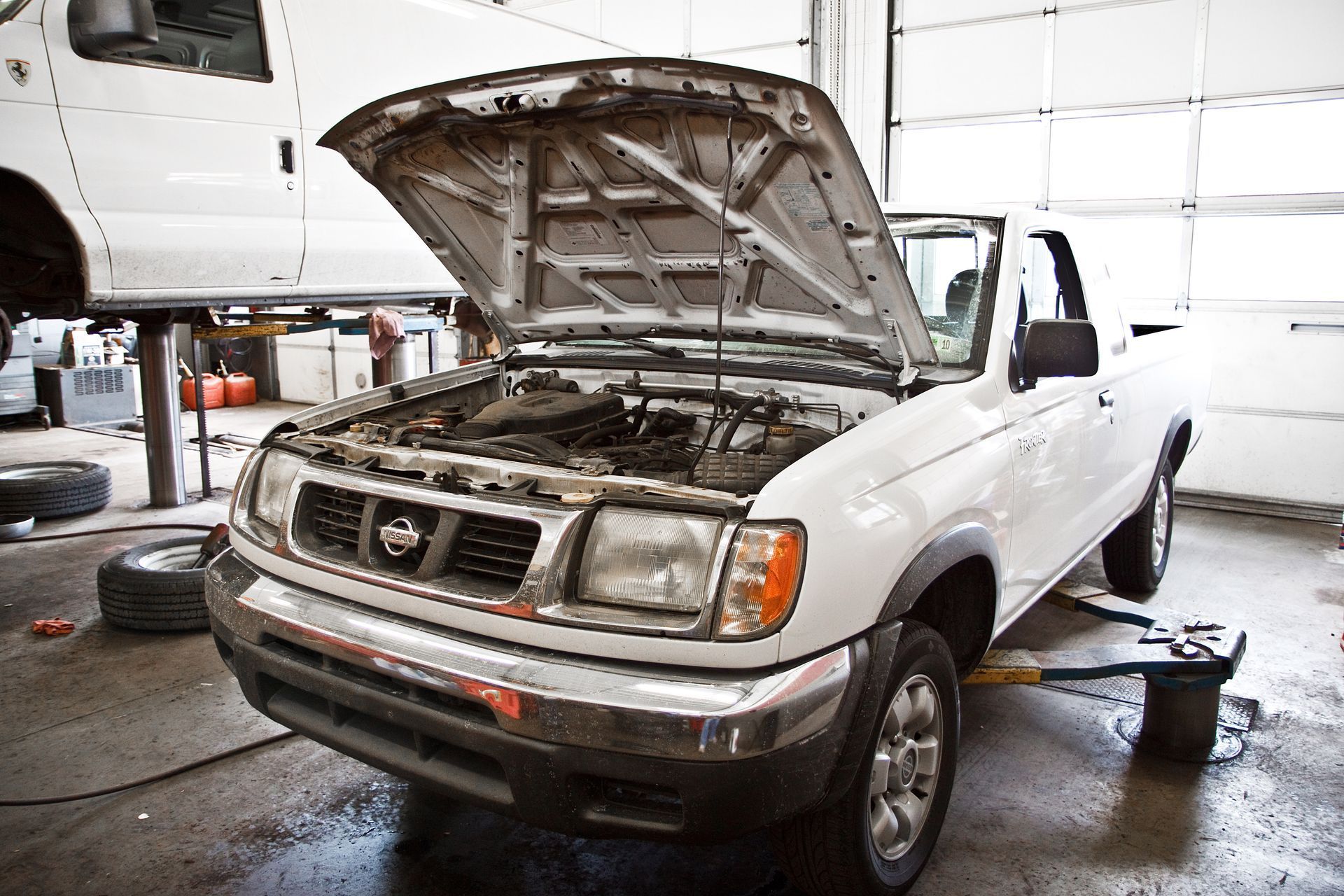
The engine provides the power needed to move a truck, so problems in this area can quickly affect everyday performance. A truck may develop an issue gradually, or a serious failure may appear with little warning. Changes in acceleration, unusual noises, excessive exhaust smoke, fluid leaks, or difficulty starting can all indicate that something deserves professional attention.
Engine trouble can involve many components, including belts, hoses, cooling-system parts, fuel-system components, sensors, and internal engine parts. Because these systems work together, a symptom that seems minor may have a more significant cause. Prompt diagnosis can help identify the source before the condition affects additional components or leaves a truck unable to operate.
Seasonal conditions can also influence engine performance. Cold weather can place additional demands on batteries, fluids, and starting systems, while hot conditions can increase the importance of effective cooling.
Recognizing Transmission Problems
The transmission transfers engine power to the drivetrain and helps the truck operate at different speeds and loads. When transmission performance changes, drivers may notice delayed engagement, slipping, unusual noises, difficulty shifting, or fluid leaks. These symptoms should not be ignored because continued operation may allow a developing problem to become more extensive.
Transmission concerns can result from worn components, fluid-related issues, electrical or control problems, or other drivetrain conditions. A qualified technician can determine whether the transmission itself is responsible or whether another part of the drivetrain is contributing to the concern. Timely truck repairs can help limit downtime.
For work trucks that regularly carry equipment, materials, or other heavy loads, dependable transmission performance is especially important. Addressing unusual behavior early can help prevent an unexpected breakdown from interrupting scheduled work or deliveries.
Identifying Brake Problems
Brakes are among the most important safety systems on any truck. They must provide consistent stopping performance despite changing road conditions, traffic, loads, and weather. Warning signs can include squealing, grinding, pulling to one side, vibration, reduced responsiveness, or changes in pedal feel.
Brake concerns may involve pads, shoes, rotors, drums, calipers, hydraulic components, air-brake components, or related systems, depending on the truck. Because braking performance directly affects vehicle control, unusual behavior warrants prompt professional inspection. Prompt truck repairs can help preserve dependable stopping performance.
Wet roads, winter precipitation, road debris, and fluctuating temperatures can affect driving conditions even when the braking system itself is functioning normally. Maintaining dependable brakes gives drivers a stronger foundation for responding to changing traffic and roadway conditions.
Comparing Engine, Transmission, and Brake Priorities
All three systems deserve attention, but the urgency of a problem depends on its symptoms and effect on vehicle operation. Brake problems generally demand immediate attention when stopping performance changes because braking is directly connected to safety. Serious engine or transmission symptoms can also require prompt service, particularly when they involve overheating, major fluid loss, severe noises, loss of power, or an inability to operate normally.
A professional inspection can distinguish between routine wear, a developing issue, and a condition that requires immediate repair. Timely truck repairs may also provide more scheduling flexibility.
A truck's age, mileage, workload, driving environment, and service history can also influence maintenance needs. These factors help technicians evaluate symptoms in the right context and recommend appropriate service.
Recognizing Signs That Need Attention
Drivers and fleet operators are often the first to notice changes in vehicle behavior. Paying attention to those changes can help identify potential problems earlier. Warning signs may include new dashboard alerts, fluid spots, unusual odors, changes in handling, unfamiliar sounds, reduced acceleration, shifting difficulties, or braking changes.
A pattern can be just as important as a single symptom. For example, repeated overheating combined with coolant loss may point toward a cooling-system concern, while a new vibration during braking may warrant inspection of brake components. Recording when a symptom occurs, such as during cold starts, heavy loads, highway driving, or frequent stops, can also give a technician useful information.
Professional truck repairs are not limited to responding after a vehicle stops operating. Service can also address developing concerns before they create a more disruptive situation. When drivers communicate changes promptly, technicians have a better opportunity to evaluate the issue while useful diagnostic information is still available.
Maintaining Reliable Truck Performance
Preventive maintenance supports more than mechanical reliability. It can help businesses keep vehicles available for scheduled jobs, deliveries, and other responsibilities. A truck that is regularly inspected and serviced may be better prepared for demanding routes and seasonal driving conditions.
Maintenance should reflect the manufacturer's recommendations as well as the vehicle's actual use. Consistent truck repairs and maintenance can support dependable operation.
Professional service also helps address interconnected problems. A concern that begins in one system can sometimes affect another. For example, an engine cooling issue may influence overall engine performance, while drivetrain concerns can affect how a vehicle accelerates or responds under load. Looking at the vehicle as a complete system can support more accurate diagnosis and appropriate repairs.
Responding to Breakdowns
Even with consistent maintenance, unexpected breakdowns can happen. A truck may experience a mechanical failure away from a service facility, on a job site, or during a delivery route. Having access to dependable roadside assistance and towing can help reduce the disruption when a vehicle cannot safely continue.
When a breakdown occurs, safety should remain the priority. Drivers should follow applicable roadside safety procedures and avoid continuing to operate a vehicle when doing so could create additional risk or damage. Professional assistance can help determine whether the vehicle needs roadside service, towing, or further diagnostic evaluation at a repair facility.
Towing is particularly important when a truck cannot be driven safely or when continued operation could worsen the mechanical problem.
For operators in busy commercial areas, dependable transportation can affect more than one day's schedule. A disabled truck may delay deliveries, postpone a job, or require changes to staffing and routing. That is why recognizing mechanical changes early matters. When a truck begins behaving differently, documenting the symptoms and contacting a qualified service provider can help establish the right response.
Professional evaluation may reveal a manageable maintenance need or a more serious concern requiring immediate attention. Either way, addressing the issue responsibly supports safer operation and helps reduce avoidable interruptions when possible.
Choosing Professional Service
Selecting a service provider involves more than finding the closest available shop. Truck owners and operators benefit from working with professionals who understand the demands placed on working vehicles and can evaluate mechanical concerns carefully. Clear communication about symptoms, service needs, and recommended work can also make the repair process easier to understand.
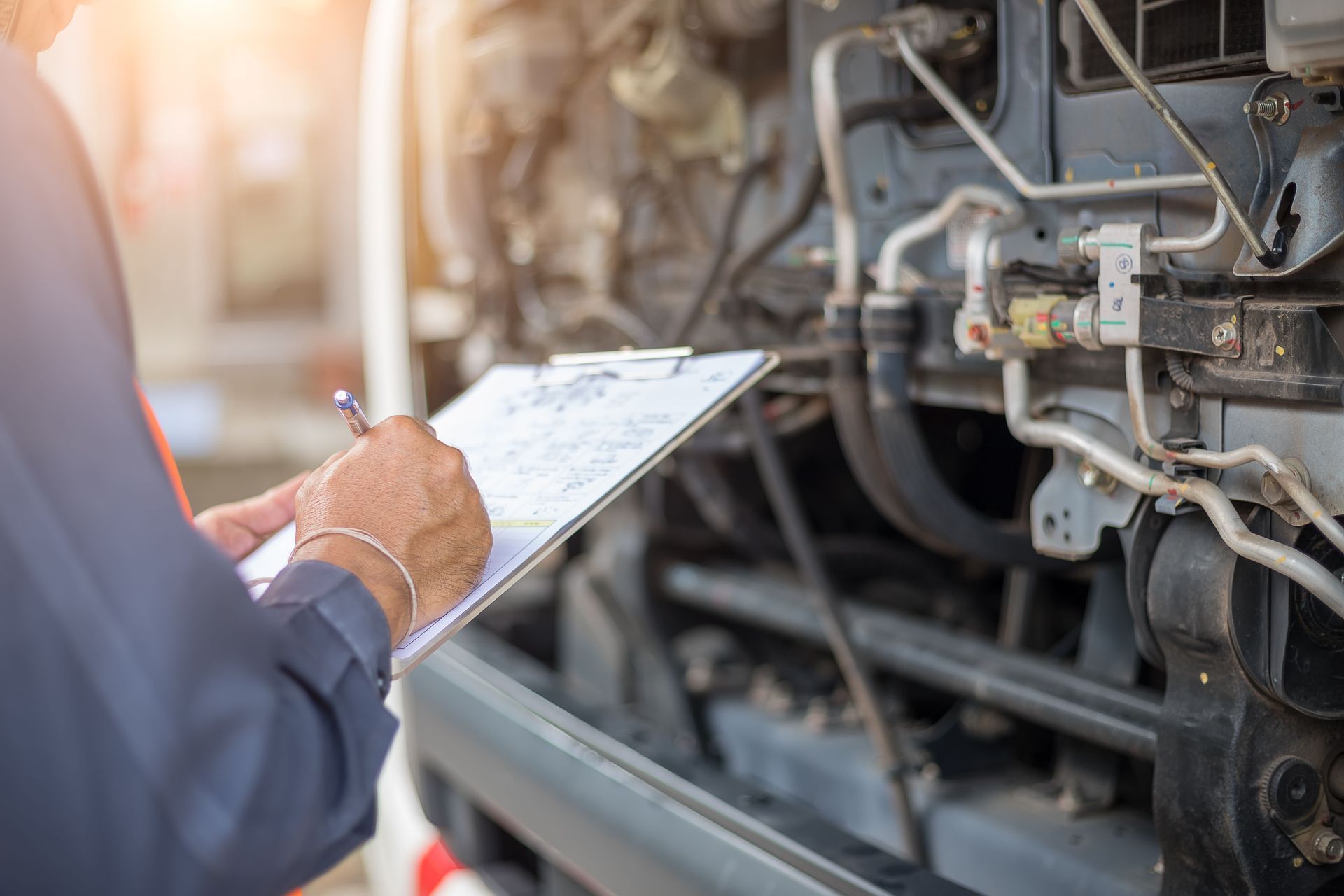
Professional technicians can inspect relevant components, explain identified concerns, and discuss appropriate next steps. Quality truck repairs should address the actual condition of the vehicle.
Whether the concern involves an engine that is losing power, a transmission that is shifting differently, or brakes that no longer feel consistent, prompt attention can make a meaningful difference. Professional truck repairs can help restore dependable performance and reduce the uncertainty that comes with unresolved mechanical problems.
Reliable truck operation matters throughout the year, particularly when work schedules, freight demands, and changing road conditions leave little room for unexpected downtime. Understanding the role of major systems makes it easier to recognize potential concerns and seek appropriate assistance before a small symptom becomes a larger disruption.
For dependable service, diagnostics, roadside assistance, and towing support, contact Tom's Auto Service and Towing to discuss your truck's needs and schedule professional help.